
Hello world!
March 9, 2022Best Car Insurance
February 27, 2026
Compare Car Insurance
Trying to compare car insurance can feel like a big puzzle, right? There are so many options out there, and it's easy to get lost in all the details. But finding the right policy doesn't have to be a headache. This article will walk you through how to compare car insurance quotes, understand what affects your price, and even share some tips to help you save money. We'll break down the different kinds of policies and explain how to handle your renewal. By the end, you'll feel much more confident about getting a good deal on your car insurance.
Top Car Insurance Companies
Key Takeaways
- Always compare car insurance from different providers to find the best rates.
- Your personal details, driving history, and even your job can change your insurance price.
- Simple things like accurate mileage reporting and secure parking can help lower your costs.
- There are various types of car insurance policies, like temporary or black box, each with unique features.
- Understanding renewal processes and FCA rules helps you get fair pricing and avoid overpaying.
Understanding Car Insurance Comparisons
Alright, let's talk about comparing car insurance. It's not exactly the most thrilling topic, but it's super important if you want to save some cash and make sure you're covered. Basically, you want to avoid just sticking with the first quote you see. Shop around! It's like anything else – you wouldn't buy the first TV you see, right? Same goes for insurance.
How To Compare Prices Effectively
Okay, so you're ready to compare prices. Great! First, figure out what kind of coverage you actually need. Don't just grab the cheapest option without knowing what it covers. Think about liability, collision, comprehensive – all that jazz. Once you know what you need, get quotes from multiple companies. Don't be afraid to play hardball a little. See if they can beat each other's prices. Also, make sure you're comparing apples to apples. Same coverage levels, same deductibles. Otherwise, it's a waste of time. Keep an eye out for discounts too. You might be surprised what you qualify for.
Finding The Best Comparison Sites
There are tons of comparison sites out there, but not all of them are created equal. Some might be biased towards certain companies, so do your homework. Look for sites that give you a wide range of options and let you filter by coverage, price, and other factors. Read reviews, see what other people are saying. And don't rely on just one site. Use a few different ones to get a good overview of what's out there. It might take a little extra time, but it's worth it to find the best deal.
Comparing Car Insurance Companies
Comparing the actual companies is just as important as comparing prices. Look at their financial stability. You want to make sure they'll actually be able to pay out a claim if you need them to. Check their customer service ratings. Are they easy to deal with? Do they respond quickly to questions? Read reviews and see what other people's experiences have been. Some companies might have slightly higher prices, but offer way better service. It's all about finding the right balance for you.
It's easy to get overwhelmed by all the options, but remember to take your time and do your research. Don't be afraid to ask questions and get clarification on anything you don't understand. The more informed you are, the better decision you'll make.
Factors Influencing Your Car Insurance Quote
Personal Details And Driving History
Your personal information plays a huge role in determining your car insurance rates. Things like your age, where you live, and your driving record are all taken into account. A clean driving record usually means lower premiums, while accidents or tickets can cause your rates to increase. Insurers see you as less risky if you have a history of safe driving. Also, younger drivers often pay more because they're statistically more likely to be involved in accidents. It's just how the numbers shake out, unfortunately.
Vehicle Information And Usage
The type of car you drive matters, too. A fancy sports car is going to cost more to insure than a sensible sedan. The car's safety features, its repair costs, and how likely it is to be stolen all factor into the equation. How you use your car also makes a difference. If you only drive a few miles to the grocery store each week, you'll probably pay less than someone who commutes long distances every day. Make sure you're honest about your annual mileage; underestimating it might save you a bit upfront, but it could cause problems if you ever need to make a claim.
Impact Of Job Title On Premiums
Believe it or not, your job title can also affect your car insurance rates. Some jobs are seen as higher risk than others. For example, if you're a delivery driver, you're on the road a lot, which increases your chances of an accident. On the other hand, if you work from home and rarely drive, you might get a lower rate. It's all about perceived risk. Even something as simple as switching from "unemployed" to "retired" can sometimes make a difference, especially if your previous job was considered high-risk. It's worth checking to see if your job title is impacting your car insurance rates.
It's kind of crazy how many things go into calculating your car insurance premium. From your age and driving history to the type of car you drive and even your job, it all adds up. The best thing you can do is be honest and accurate when you're getting a quote, and shop around to compare rates from different companies. You might be surprised at how much the prices can vary.
Strategies To Reduce Car Insurance Costs
Accurate Mileage Reporting
Okay, so you want to save some money on your car insurance? One of the easiest things you can do is make sure you're reporting your mileage accurately. I mean, really accurately. Don't just guess! Think about your daily commute, weekend trips, and everything in between. Underestimating your mileage can invalidate your policy, while overestimating means you're paying more than you should. It's a bit of a Goldilocks situation. The UK average is around 6,600 miles, but your number might be way different.
Adding A Named Driver
Adding another driver to your policy can be a bit of a gamble, but sometimes it pays off. If you add an older, more experienced driver with a clean record, your rates might actually go down. But, and this is a big but, adding a younger or less experienced driver will almost certainly make your premium jump. Think carefully about who you're adding and their driving history. It's not always a guaranteed win, but it's worth looking into.
Secure Parking Options
Where you park your car matters more than you might think. Insurers love it when you park your car in a secure garage or on a driveway overnight. It reduces the risk of theft or damage, which means they're less likely to have to pay out. Parking on the street? That's a higher risk, and your premiums will reflect that. If you have the option, always choose the most secure parking spot available. It's a simple change that can make a difference. Plus, it gives you some peace of mind.
Paying Annually Versus Monthly
If you can swing it, paying for your car insurance annually is almost always cheaper than paying monthly. Insurers often charge extra for the convenience of monthly payments, which adds up over the year. It's basically like paying interest on a loan. If you have the cash available, pay upfront and save yourself some money. It might sting a little at first, but your wallet will thank you in the long run. If you can't, don't sweat it, but definitely keep it in mind for next year. Also, don't forget to compare quotes from multiple companies annually.
I remember when I switched from monthly to annual payments, I saved almost $100. It felt like free money! It's one of those things that seems small, but it really adds up over time. Plus, you don't have to worry about those monthly payments hanging over your head. It's a win-win.
Types Of Car Insurance Policies

Temporary Car Insurance
Sometimes you only need car insurance for a short period. Maybe you're borrowing a friend's car for a weekend, or perhaps you're a student home for the summer and need to drive occasionally. That's where temporary car insurance comes in. It's designed to cover you for a specific, limited time, from just an hour to a few weeks. It's way more flexible than getting a standard policy if you don't need long-term coverage.
- Great for borrowing a car.
- Ideal for students or infrequent drivers.
- Avoids impacting the car owner's insurance policy.
Temporary insurance can be a lifesaver when you only need coverage for a short time. It's quick to set up and can save you a lot of money compared to taking out a full policy.
Multi-Car Insurance Benefits
Got more than one car in your household? Then multi-car insurance might be a good idea. Basically, you insure all your vehicles under one policy. The big draw? Discounts. Insurers often give you a break on your premiums when you bundle multiple cars together. Plus, it simplifies things – one policy, one renewal date, one company to deal with. It's worth checking out if you're managing insurance for several vehicles.
- Potential cost savings through discounts.
- Simplified policy management.
- Convenient single renewal date.
Black Box Insurance Explained
Black box insurance, also known as telematics insurance, is becoming increasingly popular, especially for young or new drivers. A small device (the "black box") is installed in your car, or an app on your phone tracks your driving habits. Things like speed, braking, and the time of day you drive are monitored. Good driving can lead to lower premiums, but risky driving can increase them. It's a way to prove you're a safe driver and potentially save money. If you are a new driver, you should consider black box insurance.
- Monitors driving behavior.
- Rewards safe driving with lower premiums.
- Helps new drivers build a good insurance history.
Here's a quick look at how black box data might affect your premiums:
| Driving Habit | Impact on Premium | Example |
|---|---|---|
| Smooth Braking | Positive | Gradual stops instead of hard braking |
| Moderate Speed | Positive | Staying within speed limits |
| Night Driving | Negative | Driving late at night more frequently |
Optimizing Your Car Insurance Renewal
Beating Your Renewal Price
So, your renewal notice arrived, and the price... well, it's not exactly a pleasant surprise, is it? Don't just accept it! The first rule of car insurance renewal is: always shop around. Loyalty rarely pays off in the insurance world. Insurers often lure in new customers with low prices, then gradually increase premiums over time.
- Compare quotes from multiple providers. Don't just stick to the big names; smaller, regional insurers can sometimes offer better deals.
- Check comparison websites. These sites let you see multiple quotes side-by-side, saving you time and effort.
- Negotiate with your current insurer. Once you have some competing quotes, call your current insurer and see if they're willing to match or beat them. You might be surprised at how much they're willing to lower your price to keep you as a customer.
It's easy to fall into the trap of auto-renewing your car insurance, but taking a little time to compare quotes can save you a significant amount of money. Don't let laziness cost you!
The Cheapest Time To Buy Insurance
Timing is everything, right? Turns out, that's true for car insurance too. You might think buying right before your policy expires is the way to go, but that's often the most expensive time.
- Data suggests that buying around 3 weeks before your policy start date is often the sweet spot. Insurers see you as more organized and less risky if you shop around in advance.
- Avoid last-minute purchases. Buying the day before your policy expires can lead to higher premiums, as insurers may see you as desperate and willing to pay more.
- Set a reminder. Mark your calendar a month before your renewal date to start shopping around. This gives you plenty of time to compare quotes and negotiate with insurers.
FCA Regulations And Fair Pricing
The Financial Conduct Authority (FCA) has been cracking down on unfair pricing practices in the insurance industry. Basically, they're trying to stop insurers from charging loyal customers more than new customers. But, it's still important to be vigilant. The FCA's interventions are designed to make the market fairer, but it doesn't mean you can skip shopping around. You still need to do your homework to ensure you're getting the best possible deal. Consider a pay-as-you-go policy if you don't drive much.
Here's what you should know:
- The FCA requires insurers to offer fair pricing to all customers, regardless of whether they're new or renewing.
- Insurers are now more transparent about how they calculate premiums.
- You still have the right to shop around and compare quotes from multiple providers. Don't assume your renewal price is the best you can get. Consider adding a named driver to your policy.
Even with these regulations, it's still up to you to be proactive and find the best car insurance deal for your needs. Don't rely solely on the FCA to protect you; take control of your insurance costs by shopping around and comparing quotes every year.
Navigating Car Insurance Policies
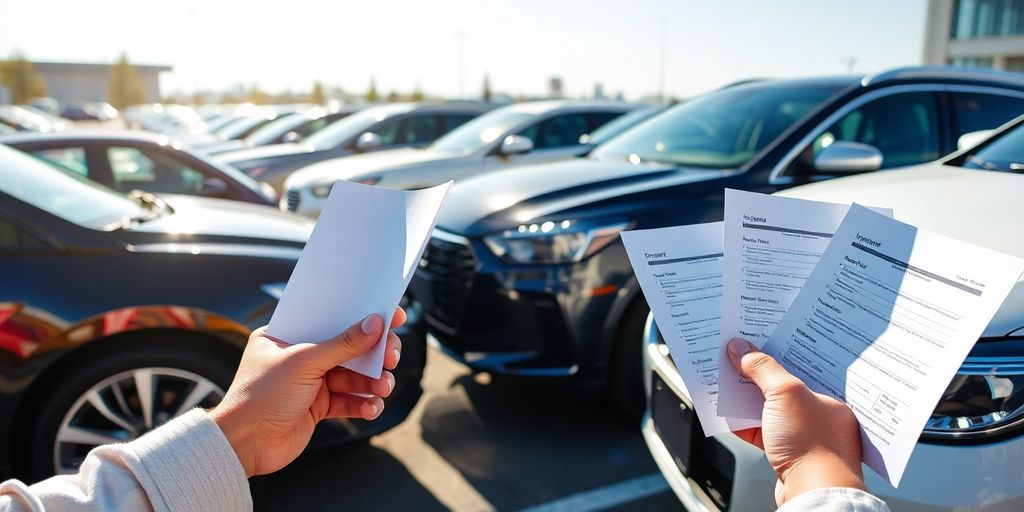
Adding Someone To Your Policy
So, you want to add someone to your car insurance? It's pretty common. Maybe it's a spouse, a child who just got their license, or even a roommate who borrows your car sometimes. The process is usually straightforward, but there are a few things you need to keep in mind.
- First, you'll need to gather some information about the person you're adding. This includes their age, occupation, driving history, and any past accidents or violations. Insurance companies use this info to assess the risk they pose.
- Second, be honest about who the primary driver of the car is. If you're adding someone who will be driving the car more often than you, they should be listed as the primary driver. Misrepresenting this can lead to problems down the road if you ever need to make a claim.
- Finally, keep in mind that adding a driver can affect your premium. Depending on the person's driving record, your rates could go up or down. It's always a good idea to get a quote before adding someone to see how it will impact your costs. You can add named drivers easily.
Adding someone with a clean driving record can sometimes lower your premium, especially if they are older and more experienced. However, adding a young or inexperienced driver will almost always increase your rates.
Driving Other Cars Coverage
Ever wondered if your car insurance covers you when you drive someone else's car? It's a valid question! The answer is... it depends. Some policies include what's called "Driving Other Cars" (DOC) coverage, but it's not always standard.
- First off, check your policy documents. If you see "DOC" listed, you're in luck. But even then, there are limitations. DOC coverage typically only provides third-party liability protection. This means that if you cause an accident while driving someone else's car, your insurance will cover the damages to the other vehicle or property, but not to the car you're driving.
- Second, DOC coverage is usually intended for emergencies only. It's not meant to be a substitute for being listed as a driver on the car's actual insurance policy. If you regularly drive someone else's car, you should definitely be added to their policy as a named driver.
- Third, not all insurance companies offer DOC coverage, and it's often restricted to certain drivers (e.g., those over a certain age). So, don't assume you have it – always check your policy. If you need more comprehensive protection, consider temporary car insurance or becoming a named driver on the vehicle's policy.
Valuing Your Car For A Quote
Getting an accurate car insurance quote starts with knowing the value of your car. But how do you figure that out? Insurance companies need this info to determine how much they would have to pay out if your car is damaged or stolen. Here's the lowdown:
- Start with online valuation tools. There are plenty of websites that offer free car valuation tools. These tools take into account factors like your car's make, model, year, mileage, and condition to estimate its current market value.
- Check comparable listings. See what similar cars are selling for in your area. This will give you a good sense of what buyers are willing to pay. Sites like Craigslist, Facebook Marketplace, and AutoTrader can be helpful for this.
- Consider your car's condition. Be honest about any damage or wear and tear. Dents, scratches, and mechanical issues will all lower your car's value. If your car is in excellent condition, it will be worth more. You can use a free car valuation tool to help.
Remember, the value you provide is just an estimate. The insurance company may conduct its own assessment if you file a claim. But providing an accurate valuation upfront will help ensure you get a fair quote and avoid any surprises later on.
Understanding Average Car Insurance Costs
Using A Car Insurance Calculator
Ever wondered how much you should be paying for car insurance? A car insurance calculator can give you a decent estimate. These tools take into account factors like your age, driving history, and the type of car you drive to provide a personalized quote range. It's not an exact science, but it's a good starting point to see if you're getting a fair deal. I used one last month, and it helped me realize I was overpaying by almost $100 a month!
Factors Affecting Your Personal Premium
So, what exactly goes into determining your car insurance premium? It's more than just your age and car model. Here's a quick rundown:
- Driving Record: Any accidents, tickets, or DUIs will definitely increase your rates. A clean record is key to lower premiums.
- Credit Score: In many states, your credit score can impact your insurance costs. A lower score often means higher premiums.
- Coverage Level: Opting for full coverage (collision and comprehensive) will cost more than liability-only insurance.
- Location: Urban areas with higher traffic density tend to have higher insurance rates than rural areas.
- Vehicle Type: The make, model, and age of your car all play a role. Sports cars and older vehicles can be more expensive to insure.
It's important to remember that insurance companies assess risk differently. What one company considers a major risk, another might not weigh as heavily. That's why it's always a good idea to shop around and compare quotes from multiple insurers.
Latest Data On Insurance Price Changes
Keeping up with the latest trends in insurance price changes can help you anticipate potential increases or find opportunities to save. Insurance rates are constantly fluctuating based on various economic factors, such as inflation, the cost of repairs, and the number of claims filed in your area. Staying informed allows you to make proactive decisions about your coverage and potentially switch providers if you notice significant price hikes. For example, I read an article last week that said rates are expected to rise by 5% nationwide due to increased repair costs. Time to shop around!
Wrapping Things Up
So, there you have it. Finding the right car insurance isn't always a walk in the park, but it doesn't have to be a headache either. Remember, it's all about checking out different options and seeing what fits your situation best. Don't just stick with the first quote you get, or even your current company, without looking around. A few minutes of your time could really save you some cash. And hey, who doesn't like saving money? Keep these tips in mind, and you'll be in a good spot to pick a policy that works for you and your wallet.
Frequently Asked Questions
Can I add someone to my car insurance policy?
Yes, you can add other drivers to your car insurance plan. You'll need to give details like their age, job, driving history, and if they've had any tickets. The main driver should be the one who uses the car most often; added drivers should only use it sometimes.
Can I drive someone else’s car with my full coverage policy?
Maybe! Some insurance plans let you drive other cars, but it's usually only for basic coverage in emergencies. Check your insurance papers to be sure. For full protection, you might need short-term insurance or to be added as a driver on that car's policy.
How do I find out my car’s value for a quote?
We figure out your car's value based on its make, model, and age. If you want a super exact number, you can use our free car value tool.
How do regulations make sure you get fair prices?
The FCA made new rules to stop insurance companies from charging loyal customers more. This means your renewal price can't be higher than what a new customer would pay for the same policy. Your price might still go up for other reasons, but not just because you stayed with the same company. Still, it's smart to shop around for the best deals!
When is the best time to buy car insurance?
The best time to buy car insurance is usually about three weeks before your current policy ends. This often gets you a cheaper price. If you buy it too early or too late, it can cost more.
What are some simple ways to lower my car insurance costs?
You can often save money by driving fewer miles, adding an experienced driver to your policy, parking your car in a safe place like a garage, and paying for your insurance for the whole year at once instead of monthly.
